Eric Hartmeister
(303) 588-8744
Email
Website





Keep your children safe while having fun with art
August 18, 2025
Comments are off
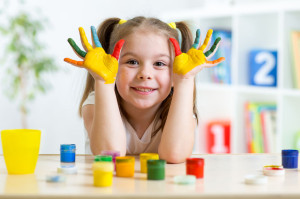 There’s no doubt about it: Most children love art! But each year, children end up in emergency rooms due to accidents and mishaps while working on art projects at home.
Did you know that even those art supplies labeled as ‘non-toxic’ can have harmful effects if a child uses them in an unintended manner? That’s why adult supervision is a must when allowing children to do art projects at home. It’s a good idea to keep art supplies, such as paint and glue, in a cabinet that’s out of reach of younger children. Another preventative measure: When selecting supplies, look for those designed for children that have the AP (approved product) seal from the Art and Creative Materials Institute (ACMI).
While your children are working on an art project, be on the lookout for hazards in the “workshop.” You may not think of your kitchen or living room as a production zone. Even so, when you’re applying glue and paint, and cutting and assembling paper and other materials, it often involves chemicals and sharp objects. Chemicals can be absorbed by a child in a number of different ways. That’s why you’ll want to discourage children from applying paint to their skin unless it’s paint specifically for that type of use. And don’t serve a meal or snacks during an art project. Encourage children to thoroughly wash their hands after working with art supplies.
Don’t forget that babies and young children experience life as one long tasting adventure. Whatever is nearby may go directly into the mouth at any time. Preschoolers in particular have a penchant for putting objects in their mouths. And just like little children, animals can get into trouble in a matter of seconds.
Encouraging creativity through art is beneficial to your child’s developing brain — just be sure to take the necessary precautions each time you pull out the art supplies.
Popular Posts



©2025 Social5, LLC